Have you ever sat down to plan your homeschool week and wondered how you were going to fit everything in? There’s math, reading, writing, science, history, art… and you’d quite like to get outside sometime, too!
When you’re homeschooling, it’s nice to know what you’re starting with each day. A little time each morning to practice core skills. A few afternoons to learn something fascinating together. And room throughout the week for library trips, backyard adventures, and following a question wherever it leads.
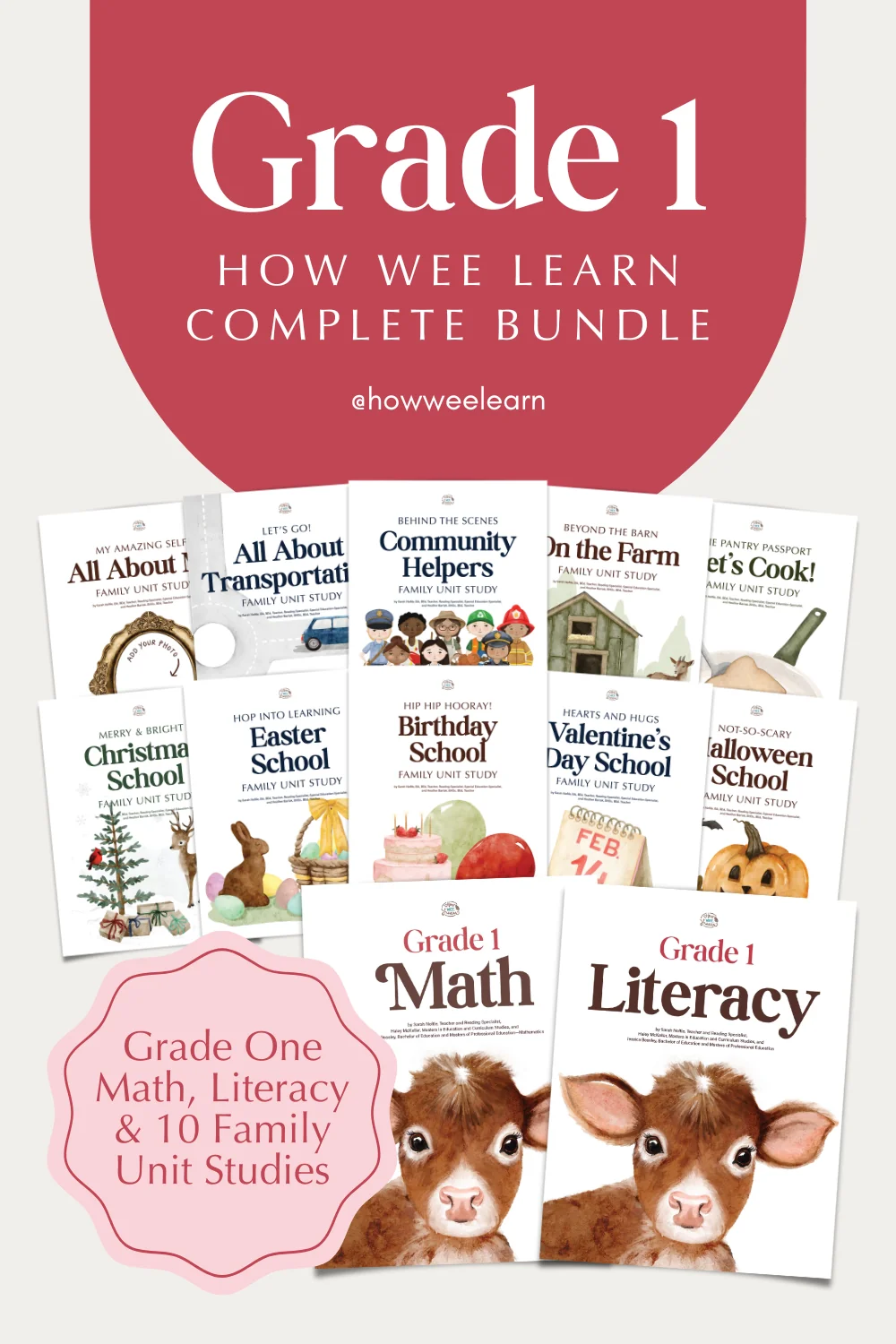
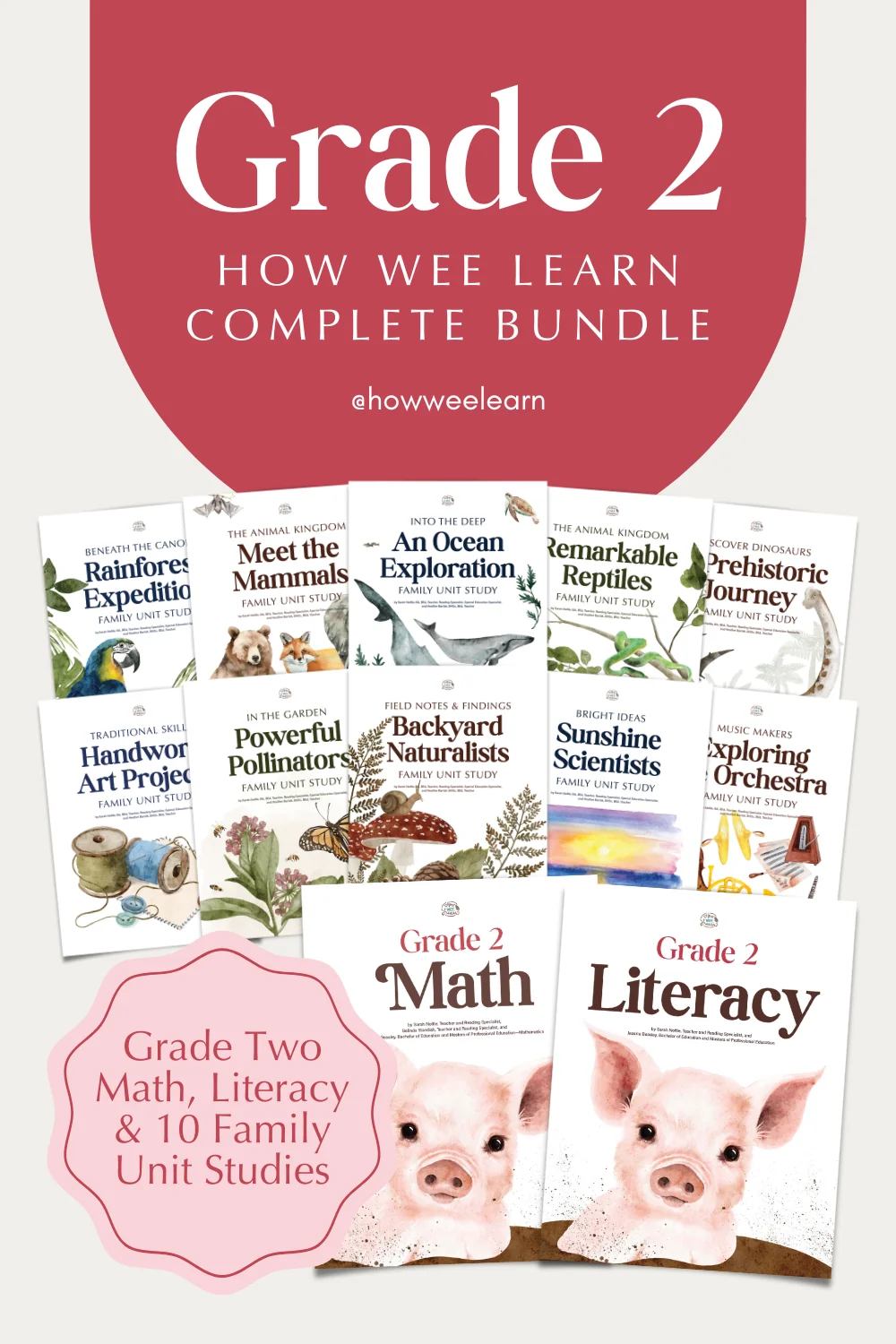
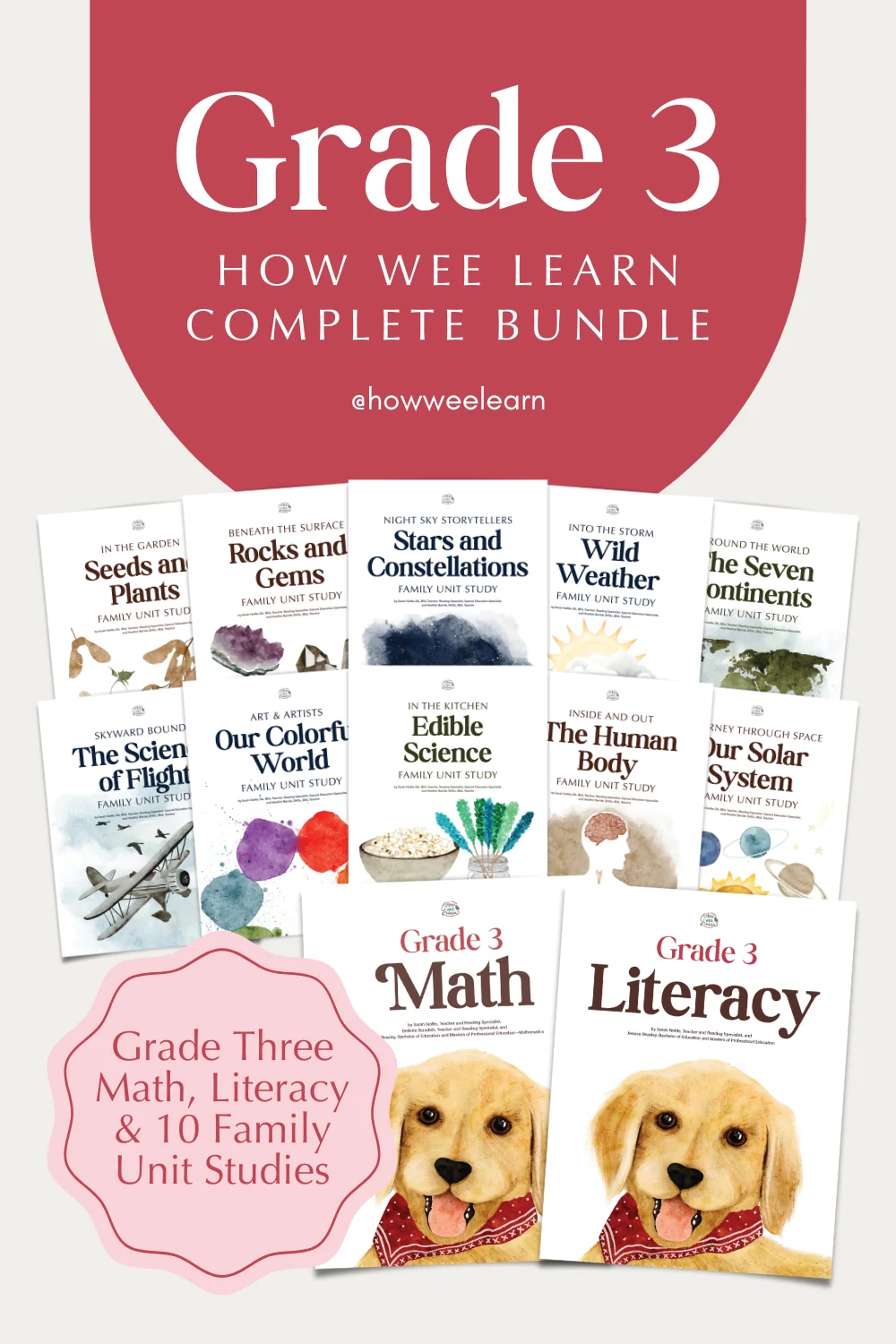
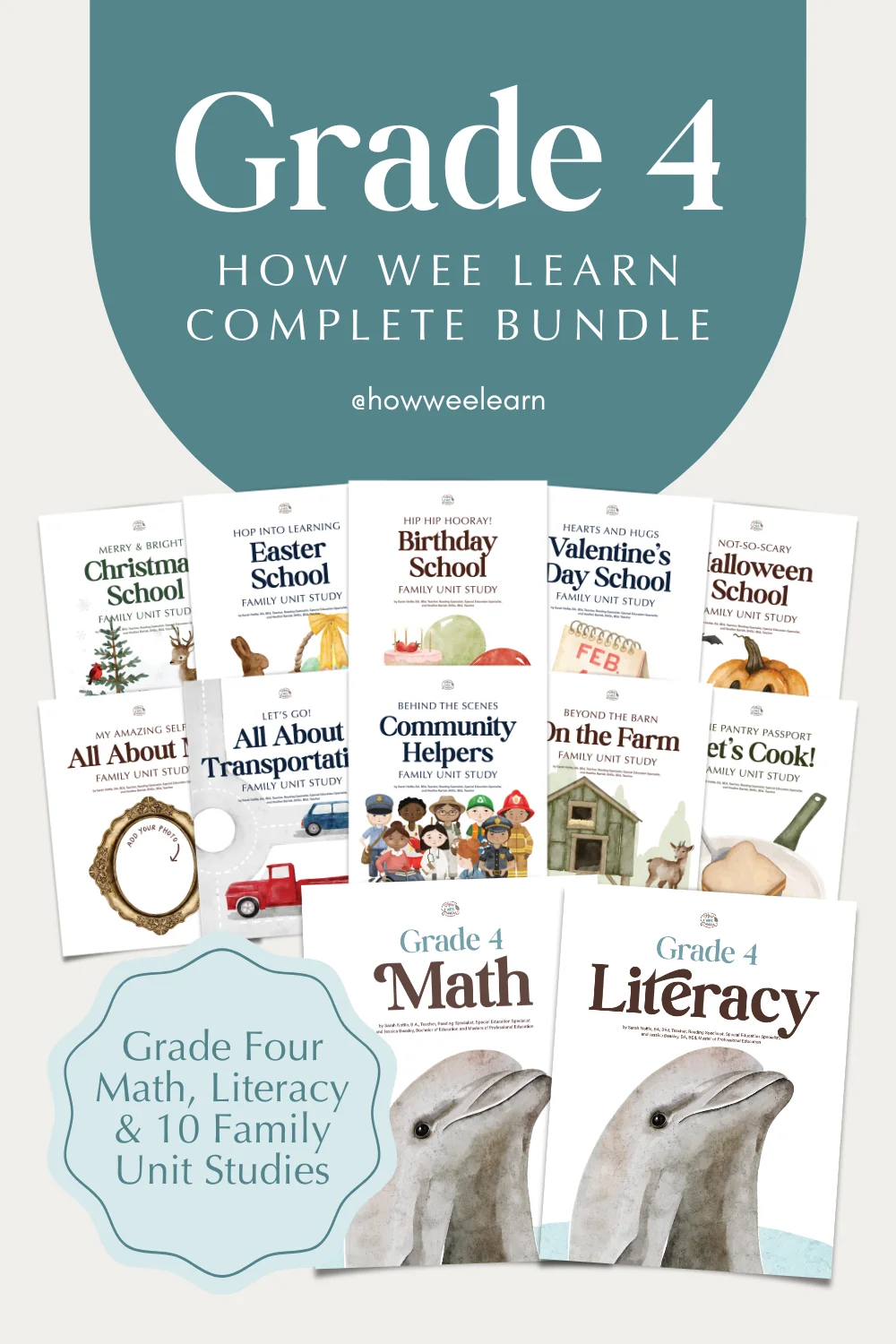
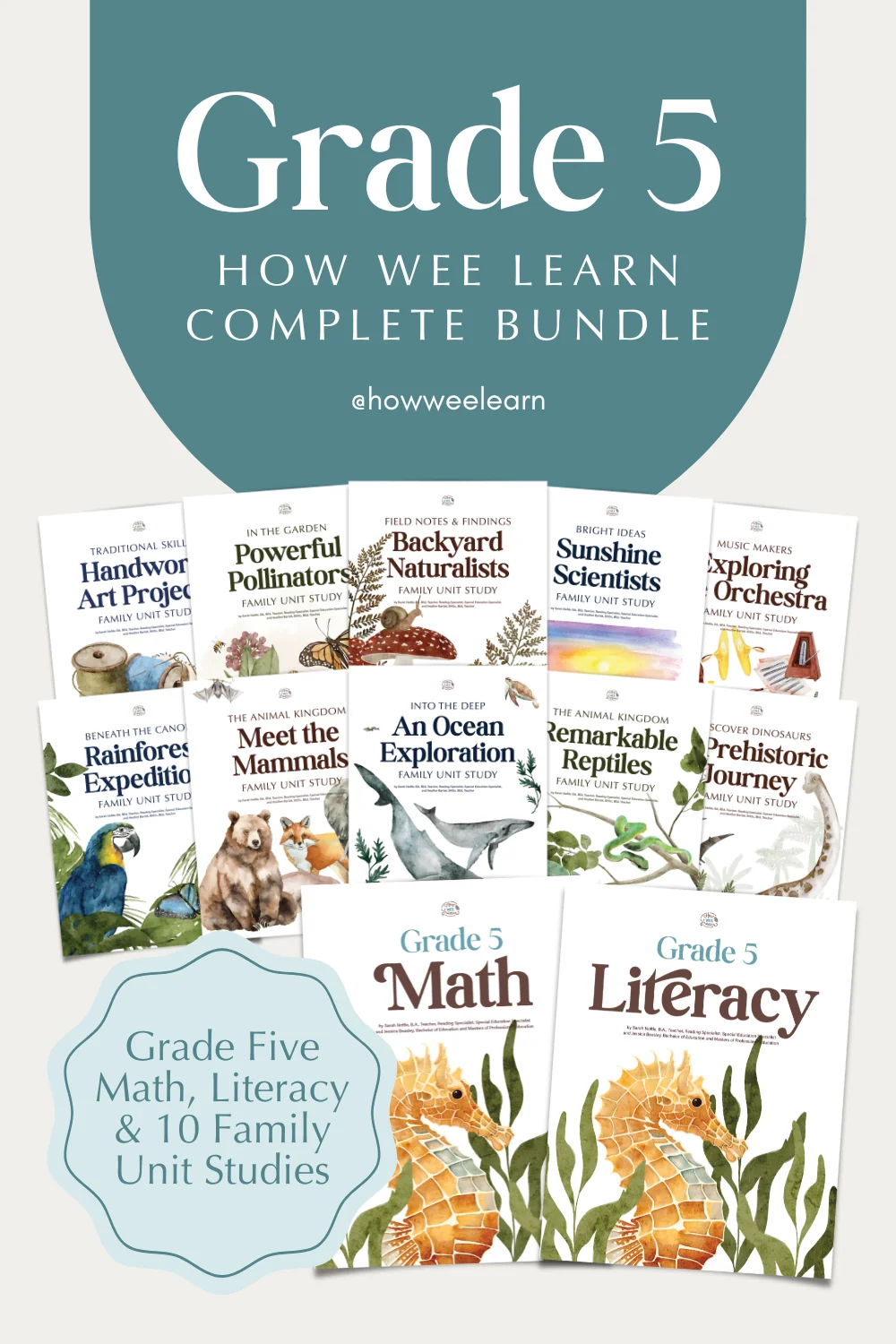
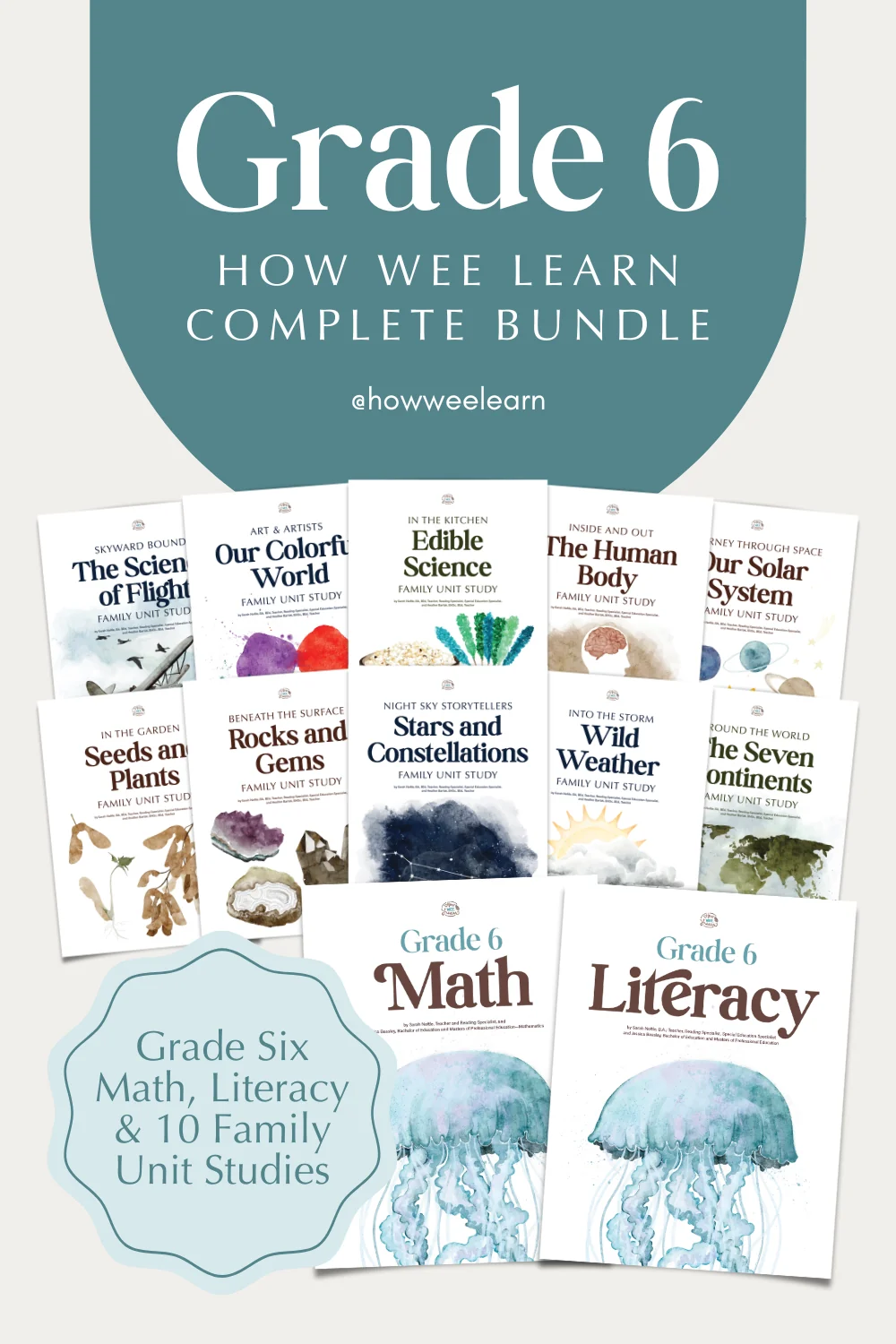
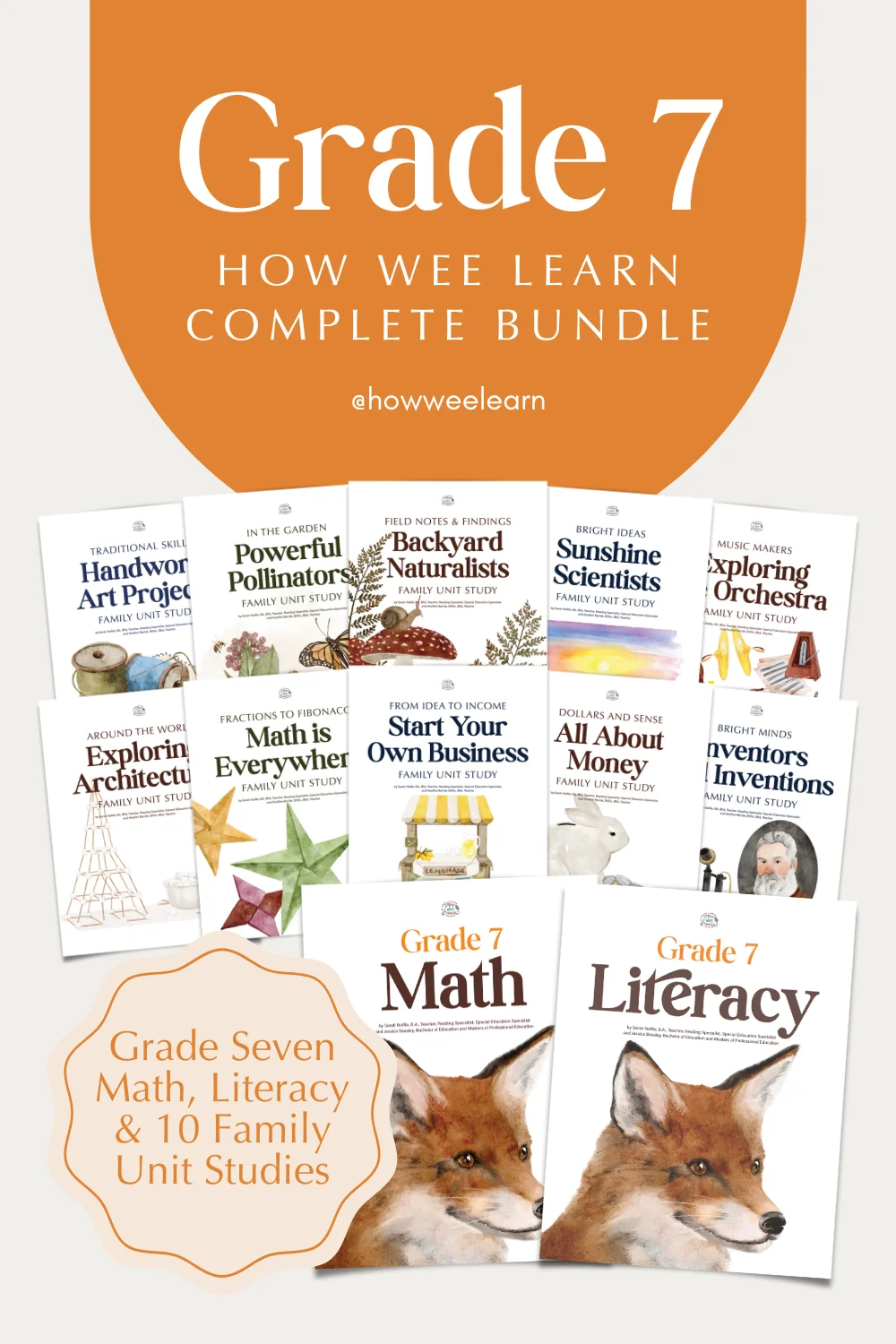
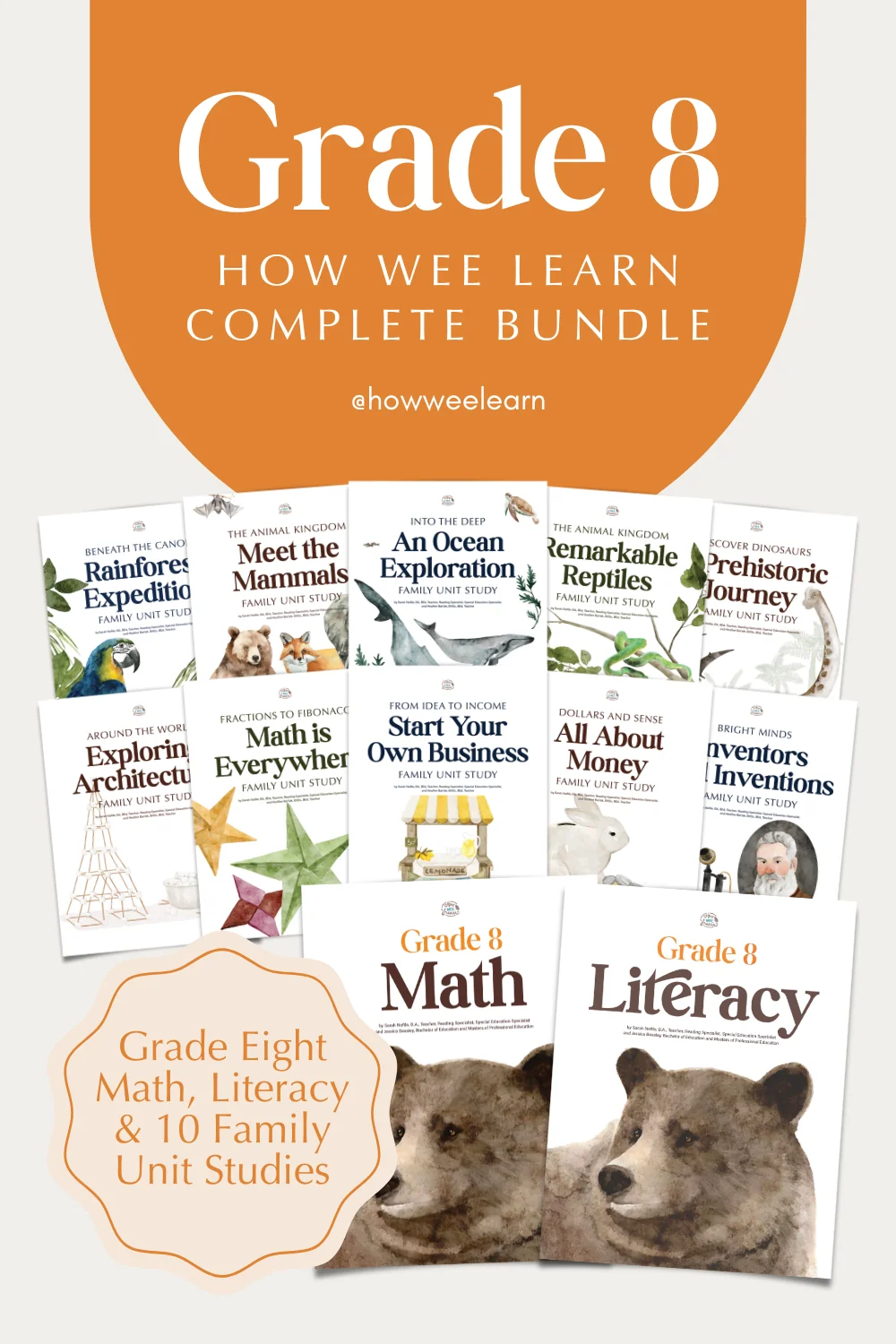
That’s exactly what our Grade School Complete Bundles were designed to do! Available for Grades 1-8, each bundle brings together a 36-week Math Curriculum, a 36-week Language Arts Curriculum, and 10 hands-on Family Unit Studies.
With our one-page-a-day, quality-over-quantity approach, you can build a steady foundation in math and literacy while making time for hands-on projects and learning together as a family.
Below, I’m sharing one way these resources can fit into your day, and how you can use them when you’re homeschooling more than one child!
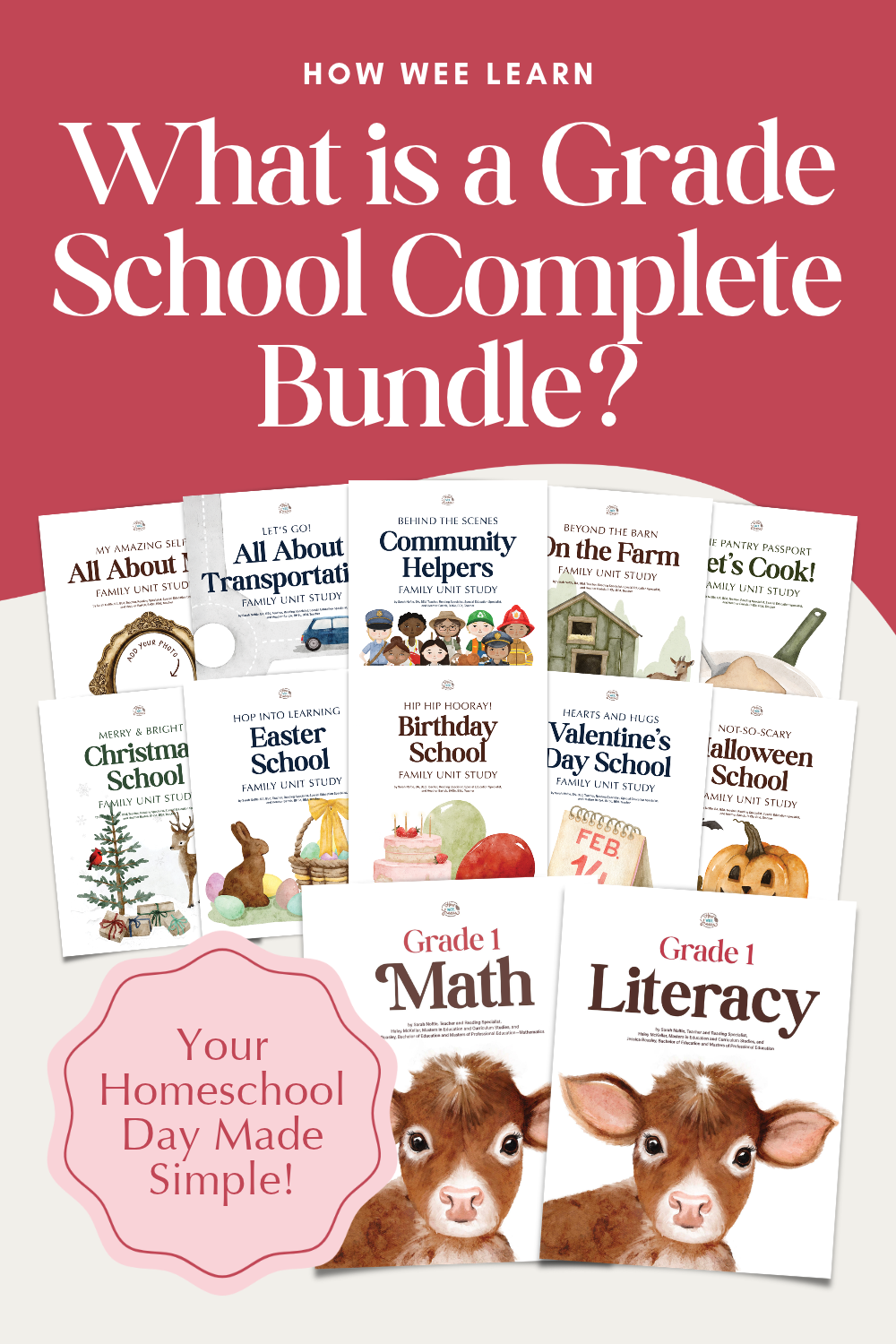
What’s Inside a Grade School Complete Bundle?
Each Complete Bundle includes three parts that work together throughout your homeschool year:
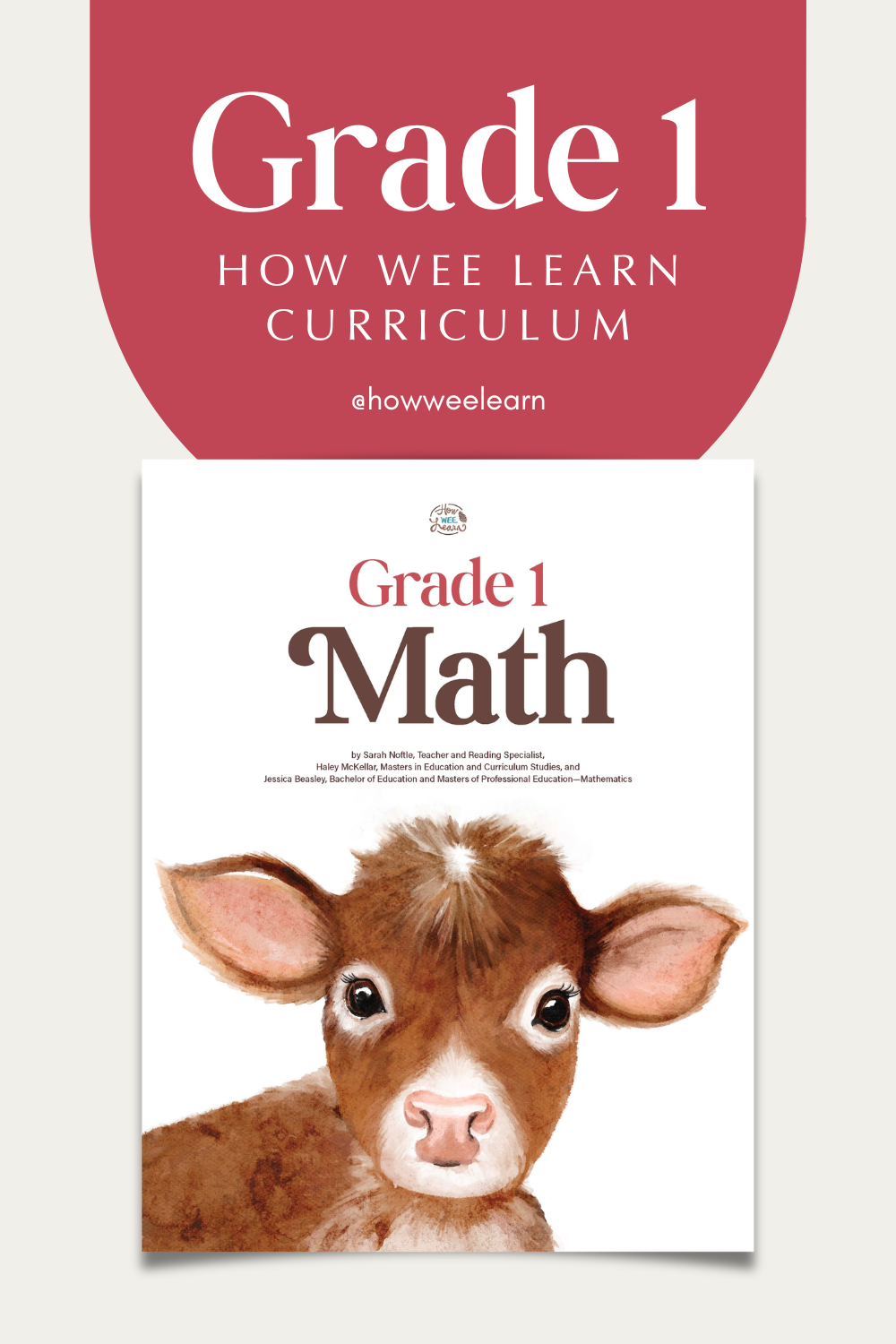
- Math Curriculum: 36 weeks of grade-specific lessons, with one page a day and regular opportunities to revisit skills.
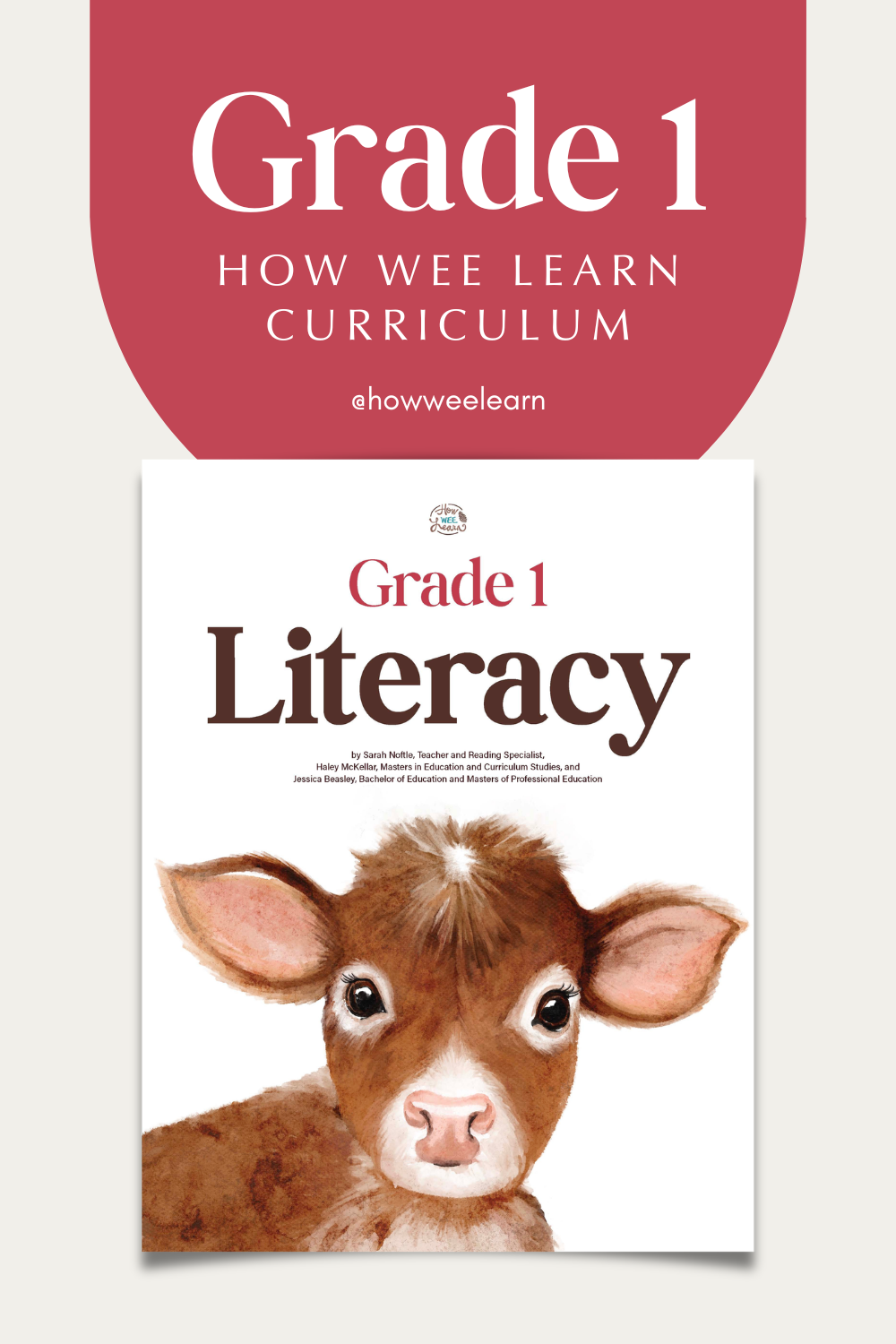
- Language Arts Curriculum: 36 weeks of grade-specific reading and writing lessons, with one page a day.
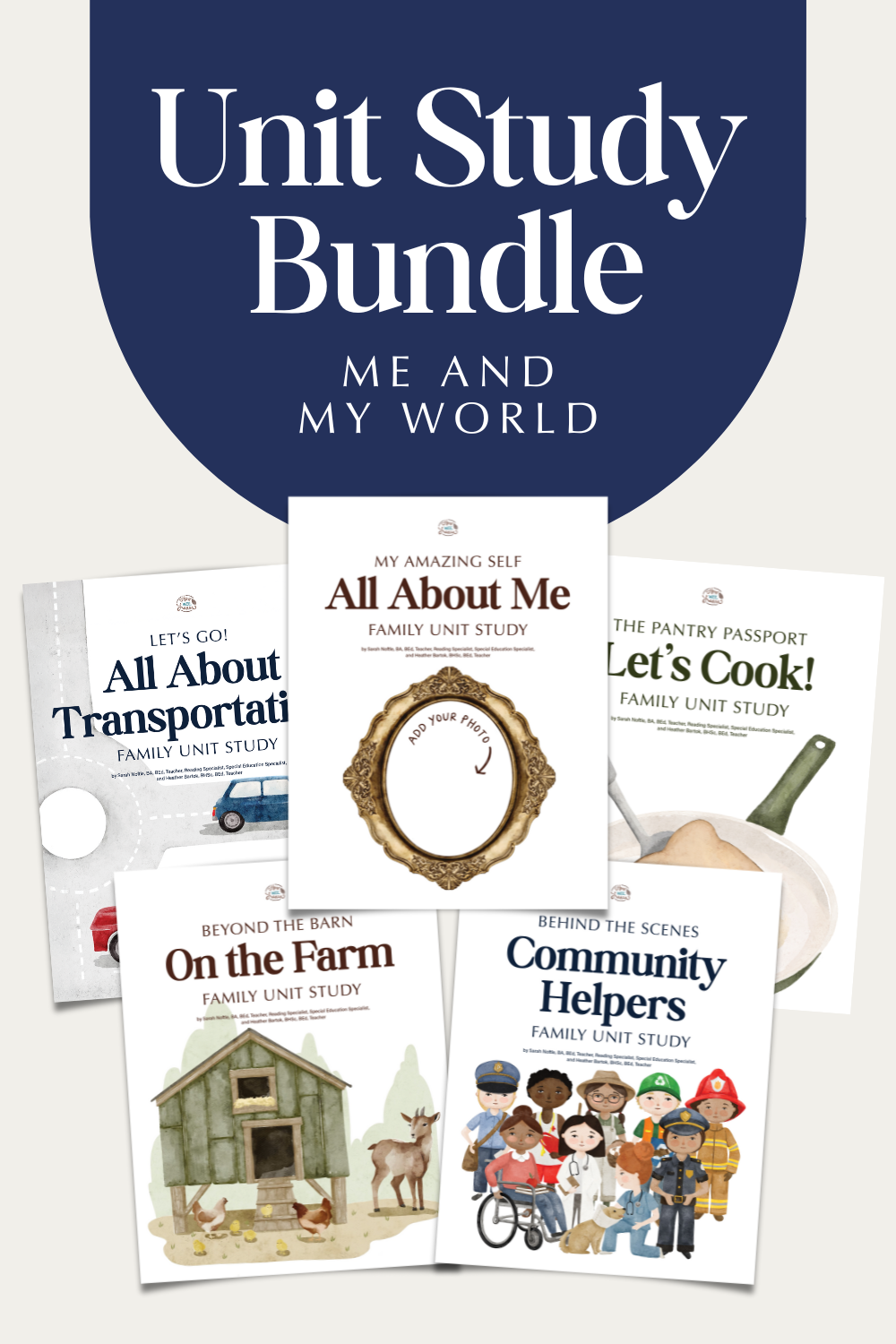
- 10 Family Unit Studies: Two five-pack bundles filled with cross-curricular learning and fun, hands-on activities you can enjoy together.
The unit study selections vary by Complete Bundle. For example, the Grade One Complete Bundle includes “Me and My World” and “Celebrating Together.” You’ll learn about community helpers, cooking, farm life, transportation, and yourself, then enjoy birthday and holiday learning throughout the year.
 |
 |
 |
 |
A Day with Your Grade School Complete Bundle
Your homeschool day doesn’t need to follow a strict timetable. A simple routine can help everyone know what comes next, while leaving room to adjust when an activity takes longer than expected or the sunshine calls you outside.
Here’s one way your day might flow.

Morning: Start with Math and Language Arts
After breakfast, gather your coursebook and begin with one page of Math and one page of Language Arts. You might work through one subject, take a break, and then return for the other. Each subject takes about 20 minutes to complete each day.
Each child uses the curriculum for their own grade, so the skills grow with them while the routine stays familiar.
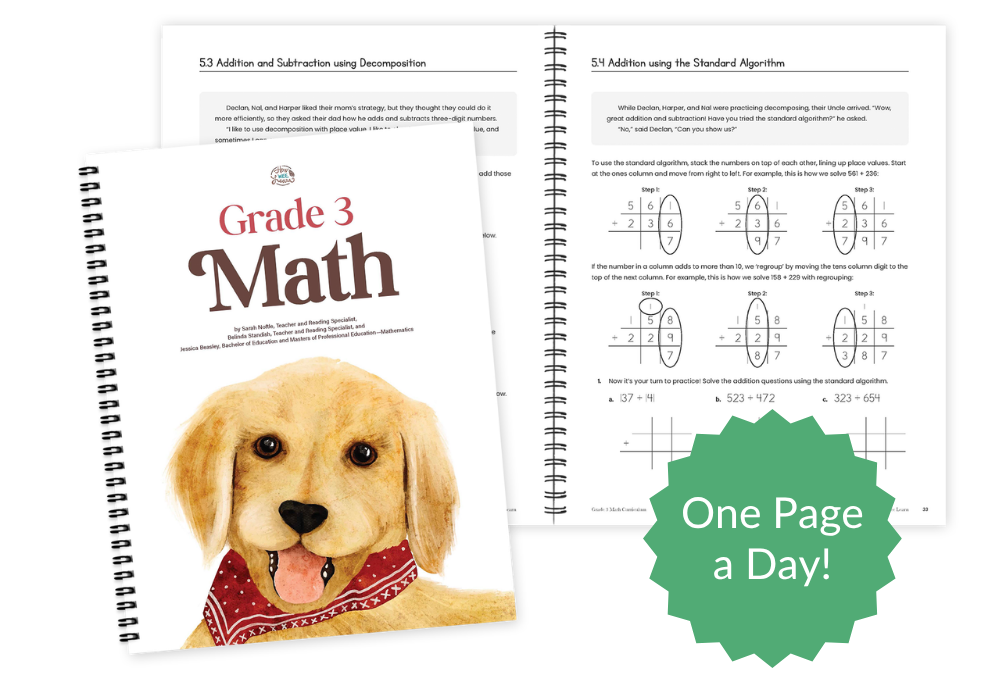
Math: Small Steps and Plenty of Practice
Our Math Curricula use a cyclical approach, bringing back previously taught skills into later lessons and review. Your child gets regular opportunities to practice what they’ve learned and build on it.
In Grades 1-3, our math uses a storybook approach. In Grade One, you’ll meet a royal family in the Wee Learning Kingdom, count their pets, and put family members in order from shortest to tallest. The math becomes part of the story!
In Grades 4-8, the focus shifts towards problem-solving. Lessons guide your child through concepts step by step, with opportunities to apply them. In Grade Six, for example, your child might use factors and multiples to work out how to divide cookies equally among containers.
Across the curricula, children work on the five strands of math: Number Sense, Algebra, Data, Spatial Sense, and Financial Literacy. And when something needs a little more practice, you can pause and spend time with it before moving on.
Language Arts: Growing Readers and Writers
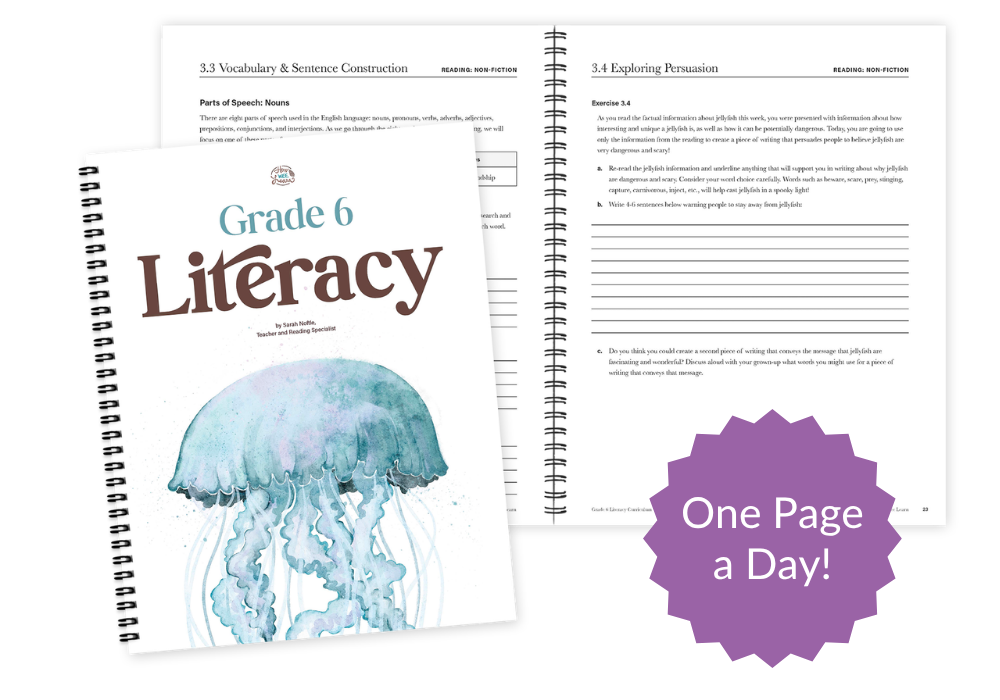
Each day, your child will practice reading and writing with one page of Language Arts.
In Grade One, that might mean practicing a word family, reading a short story together, or drawing and writing the beginning, middle, and end of their very own story.
As children progress, the work grows with them. In Grade Six, for example, your child will read fiction and nonfiction, build vocabulary, practice proofreading, and take writing projects from brainstorming or research through to a finished piece.
You have a clear place to begin each morning, with time to talk through ideas and offer support where your child needs it.
A Few Afternoons a Week: Learn Together with a Family Unit Study
With your morning core skills finished, you can come together for a Family Unit Study topic in the afternoon.
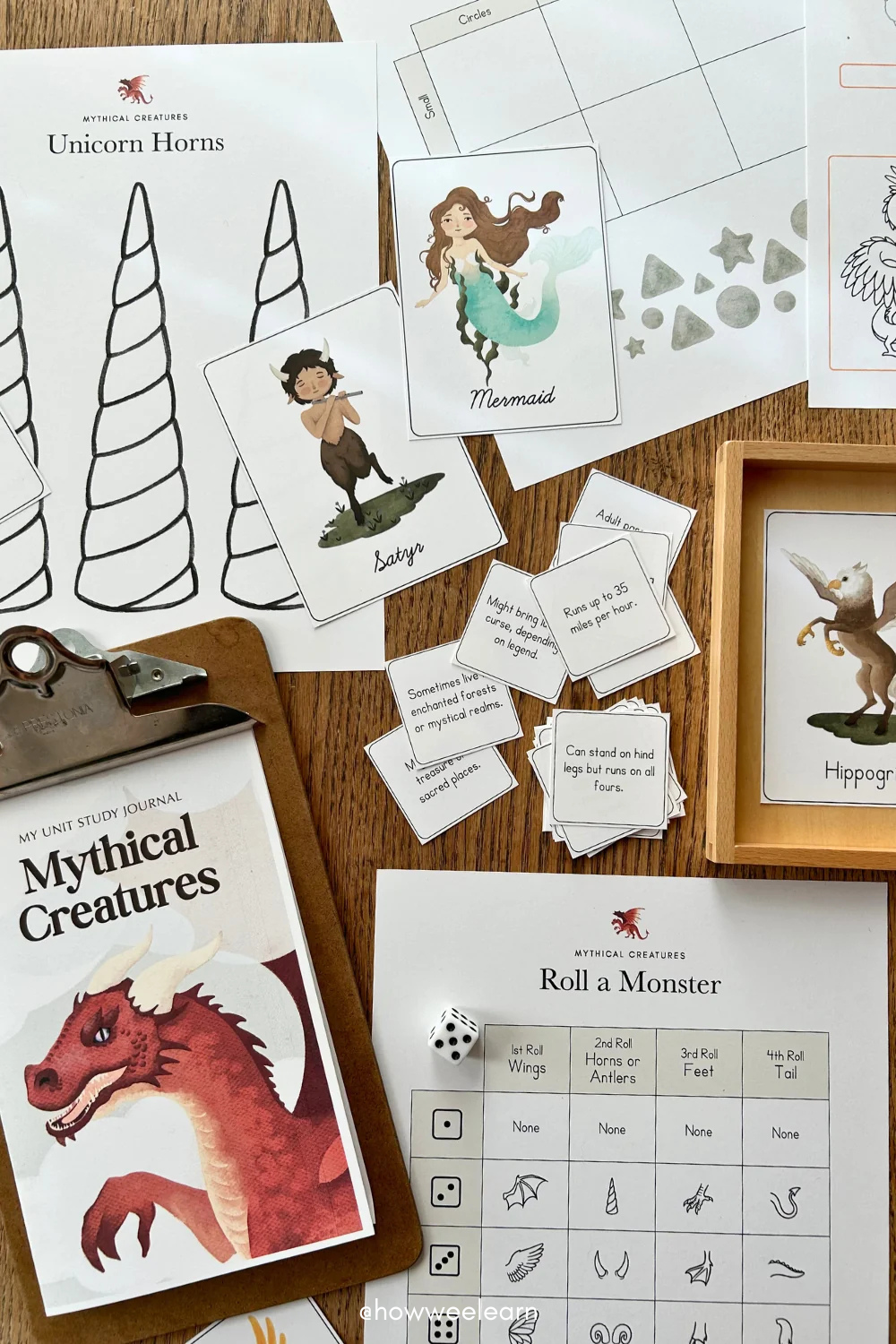
Each unit study includes 10 topics, so completing two to three topics a week gives you a practical way to work through about one study a month over a ten-month school year. Perhaps you choose Tuesday and Thursday afternoons, adding in a third afternoon when it works for your family.
Start with the interesting fact and discussion question. Watch the suggested video, enjoy a related book, and then bring the topic to life with the hands-on activity. You can also incorporate the math or literacy enrichment and optional extension activities.
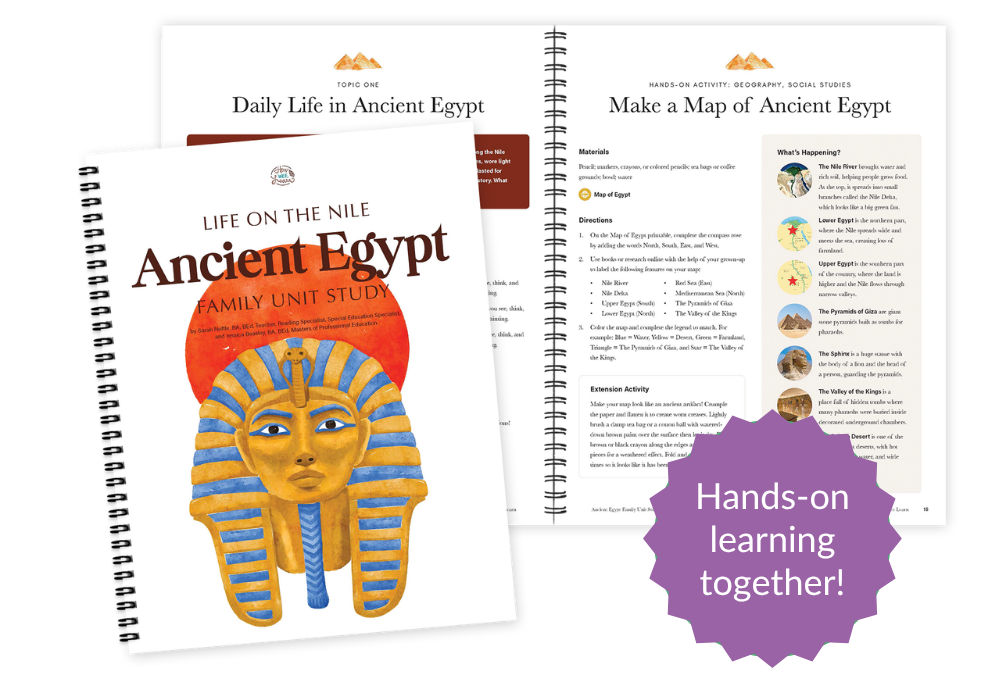
What might that look like? In Ancient Egypt, you could create a map of the Nile River, pyramids, and other landmarks, then give it a weathered finish to look like an ancient artifact! In Rainforest Expedition, you might begin building a four-layer rainforest diorama using stacked boxes. These are two examples of the kinds of projects you’ll find in our Family Unit Studies.
Between Unit Study Days: Leave Room for Everyday Life
The other afternoons give you space for outdoor time, reading together, hobbies, outings, and continuing a project your children aren’t quite ready to put away.
Perhaps your rainforest diorama needs another afternoon, or a question from your discussion sends you to the library. You can make room for that!
The rhythm gives your week some direction, and you can adjust the pace to suit your family.
Homeschooling More Than One Child?
Our Family Unit Studies are designed for learning together as a family, so you don’t need a separate set for every child.
Choose one Complete Bundle, then purchase Math and Language Arts separately for your other children’s grades.
For example, if you’re homeschooling a Grade One child and a Grade Four child, you could choose the Grade One Complete Bundle and add Grade Four Math and Language Arts.
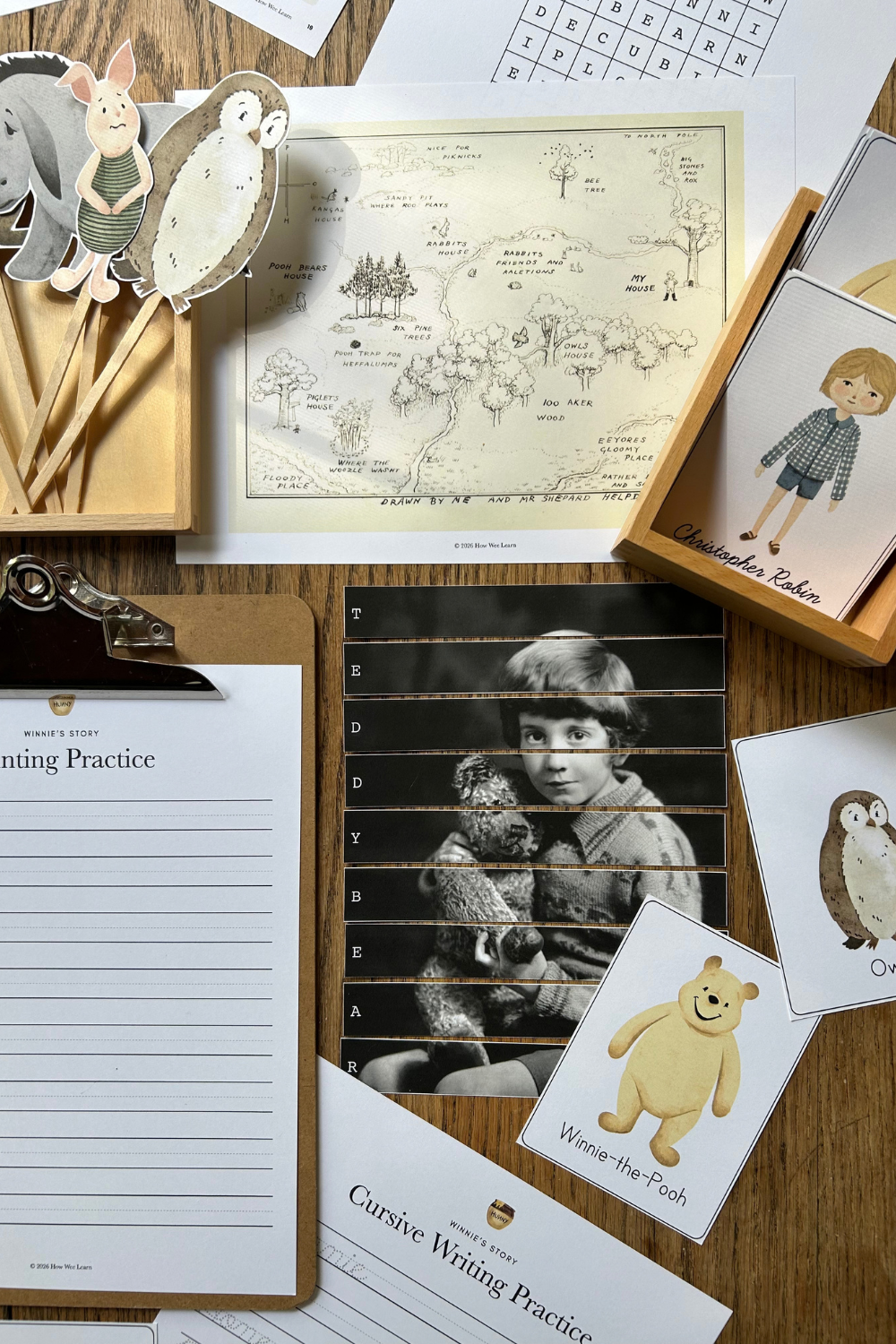
In the morning, each child works on their own core skills. During unit study time, everyone comes together around the same unit study. They are designed to work for all ages, with options for different difficulty levels and extension activities.
Different grades, shared projects, and plenty to talk about around the dinner table!
 |
 |
A Homeschool Rhythm You Can Make Your Own
A little focused work each morning. A few afternoons of hands-on learning together. Time to read, play, get outside, and follow your children’s interests.
Your days won’t all look the same, and they don’t need to. You can slow down for a tricky math concept, spend longer on a favorite unit study, or move an activity to another day.
Our Grade School Complete Bundles give you the resources to begin and a simple rhythm to build on – one page, one topic, and one day at a time.
Ready to find your family’s rhythm? Take a look at our Complete Bundles for Grade 1-8 and choose the starting point for your homeschool year!
Browse the Complete Bundles in the How Wee Learn Shop
https://shop.howweelearn.com/collections/grade-school-math-and-literacy
 |
 |
 |
 |
 |
 |
 |
 |
Thanks so much for reading, friend!
xo
Sarah

Leave a Reply