Today, I want to share something super cute and educational, designed to support early writing and printing skills in children. And honestly, I didn’t quite get my fill of giving this holiday season, so I just had to do one more for all of you!
The Tall, Small, and Fall Letters Activity Pack—I hope you and your child absolutely love this free gift! 💛
Learning to print letters is a big milestone for young children, and like most early learning, it’s most successful when it’s simple, playful, and developmentally supportive. That’s exactly what this resource is designed to do.
Let’s learn more and grab your free gift below!

Why Tall, Small, and Fall Letters Matter
When children first begin printing, letters can feel overwhelming. There are so many shapes, sizes, and movements to remember! One way to make this easier is to group letters that are formed in similar ways. This is something we already do naturally when teaching children to read and spell. Think of word families—words that share similar vowel sounds or spelling patterns. Grouping helps young brains make meaningful connections, and the same principle works beautifully for printing.
For this activity, letters are grouped as:
Tall letters: b, d, f, h, k, l, t
Small letters: a, c, e, i, n, m, o, r, s, u, v, w, x, z
Fall letters: g, j, p, q, y

Children begin to notice that some letters stretch all the way to the top, some stay neatly in the middle, and others dip below the line. This awareness is a huge step toward confident and legible writing.
 |
 |
Simple Ways to Use This Resource
There’s no one “right” way to use these pages—choose what works best for your child!
Finger tracing: Have your child trace each letter with their finger, and notice whether it is tall, small, or falling.
Practice printing: Let your child take their time forming each letter, and notice whether it is tall, small, or falling.
Reuse again and again: Slide the pages into page protectors and use dry-erase markers for endless practice.
Sorting activity: Use the individual letter cards so your child can practice sorting them into their ‘tall, small, and fall’ categories.
As a reminder: Display the posters or individual letters in your child’s workspace as a reminder of proper letter formation.
Remember, printing is a skill that develops over time. Slow and steady truly is the way to go.
 |
 |
What to Do When Printing Feels Tricky
If your child is finding printing challenging, that’s okay and very common! Often, the best support doesn’t start with a pencil at all.
Building fine motor strength through play can make a world of difference. You could try:
- Threading beads onto pipe cleaners
- Squishing and rolling playdough
- Building and creating with LEGO
- Tearing paper, using tweezers, or playing with small manipulatives
These playful activities strengthen the little muscles needed for writing, without any pressure.
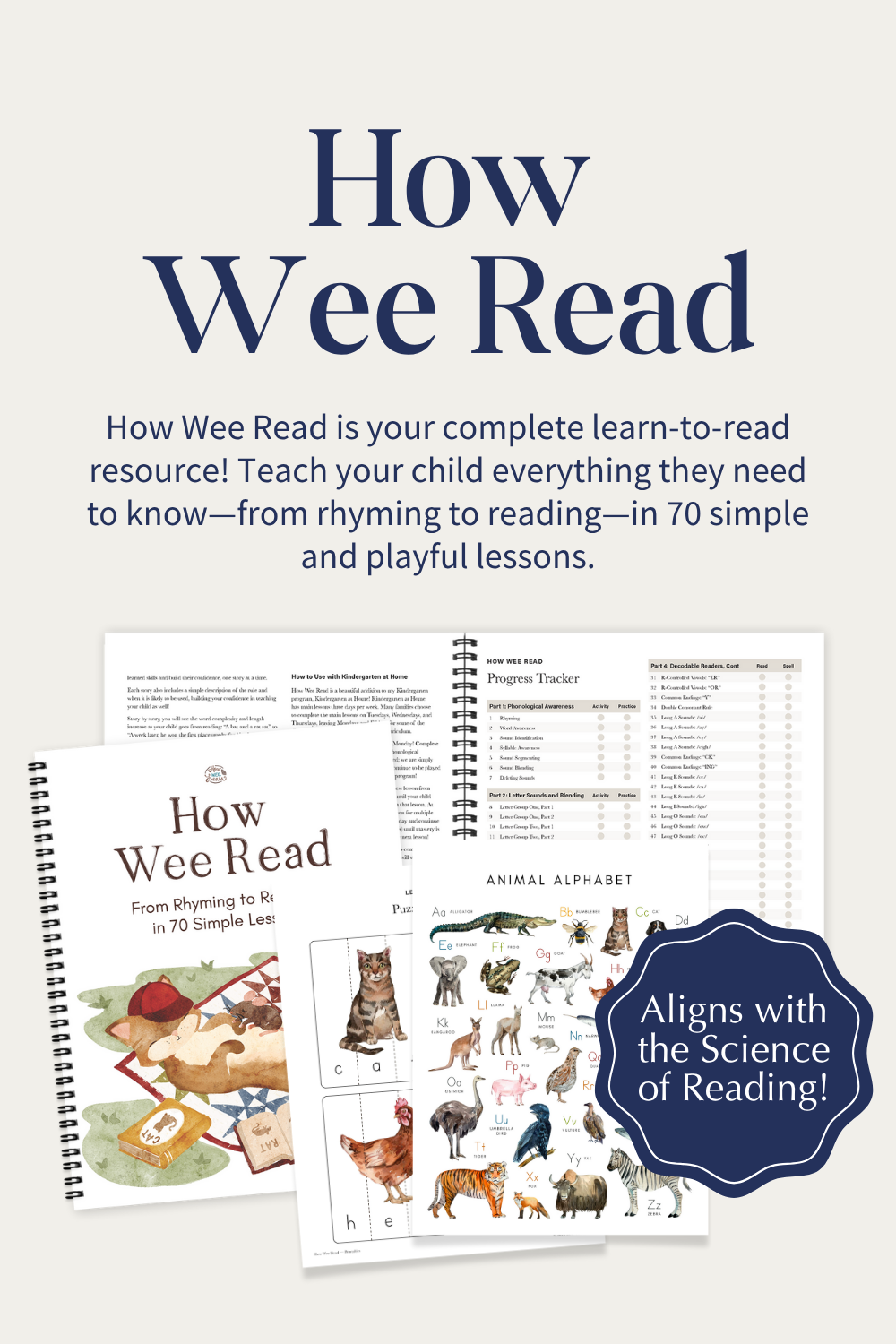
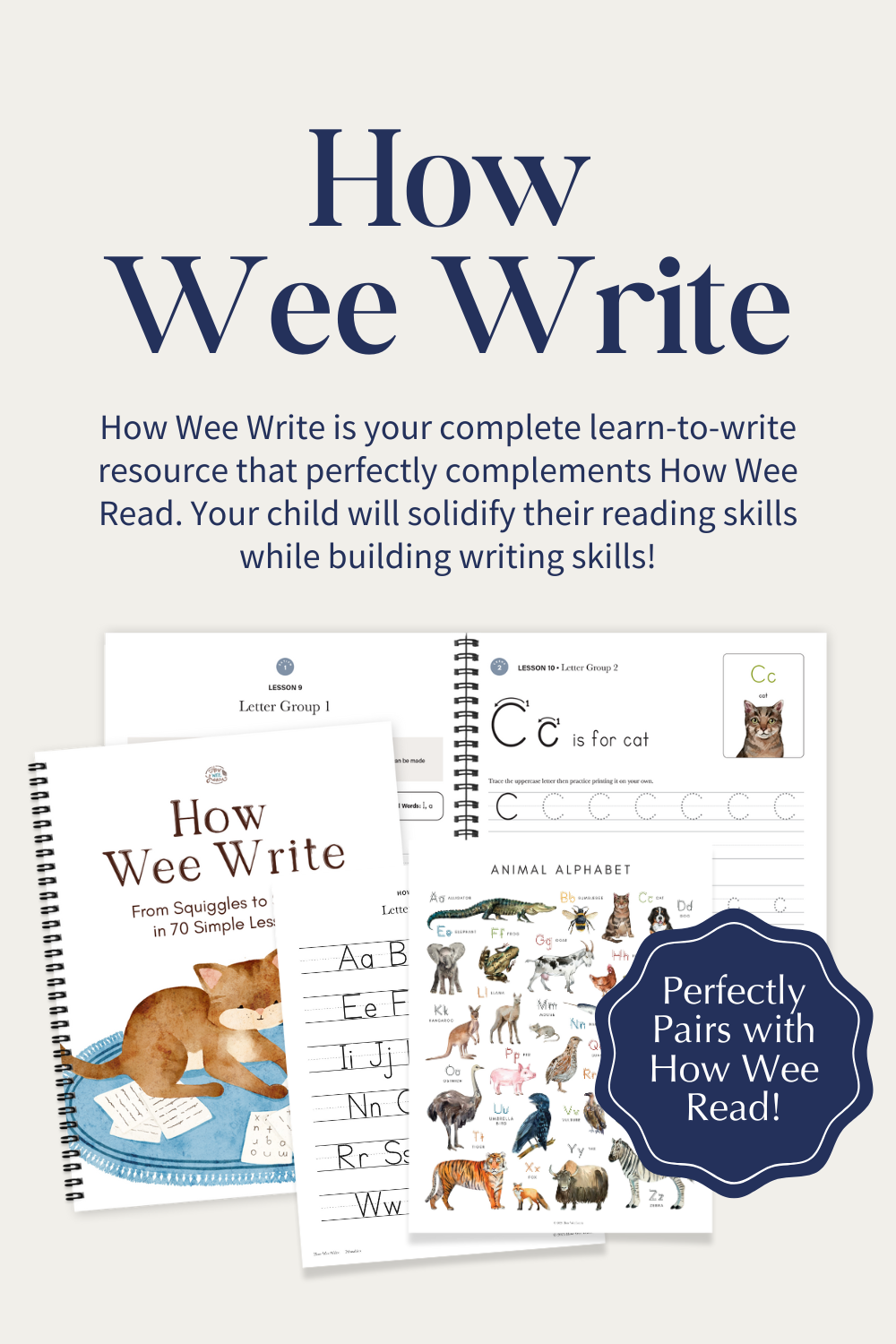
Tall, Small, and Fall Letters: The Perfect Companion to How Wee Read and How Wee Write
This Tall, Small, Fall Printing Activity pairs beautifully with the How Wee Read & Write Bundle, a complete and thoughtfully designed resource to support early literacy from the very beginning.
If you don’t already have it at home, now is the perfect time to check it out: https://shop.howweelearn.com/products/how-wee-read-write-bundle. Together, these resources help make learning to read, write, and spell a beautiful, simple, and joyful experience for your child and for you.
Grab your free Tall, Small, and Fall Activity Pack here—I hope you love it:
How Wee Read and How Wee Write
Let’s make learning to read and write feel calm, confident, and full of connection—one letter at a time.
https://shop.howweelearn.com/products/how-wee-read-write-bundle
 |
 |
Thank you for reading, my friend,
xo Sarah

I am not able to access a link for the free printable! It looks like a great resource!
Hi Catherine! I am so sorry for the trouble you are having. Please email Dani at CustomerCare@HowWeeLearn.com and she can send it your way directly. Thank you!