As a teacher and reading specialist, it is my sworn duty to love books. And I do! It is also my sworn duty to help children fall in love with books. With that in mind, I’m excited to share beautiful, thoughtfully curated book lists that kids will truly love.

The Ultimate Book List for Grade Two
We’ll begin with a Grade Two book list to complement our Grade Two Literacy Curriculum. This complete curriculum provides everything you need for reading and writing instruction for your Grade Two student. Best of all, it focuses on quality over quantity—all essential skills are covered with just one page per day, making learning effective, manageable, and enjoyable.
Be sure to check out our incredible Grade Two Literacy Curriculum in the How Wee Learn Shop: https://shop.howweelearn.com/products/grade-two-literacy-curriculum
 Now, back to my sworn obligation to share beautiful books with kids!
In our Grade Two Literacy Curriculum, we focus on six areas of reading and writing, so I wanted to share book suggestions for all six of those areas. In addition, I wanted to share some chapter books that you might wish to read aloud to your grade two child.
You’ll also find a printable list of all of the books at the end of this post—perfect for taking along with you on your trip to the library!
Chapter Book Read Alouds for Grade Two
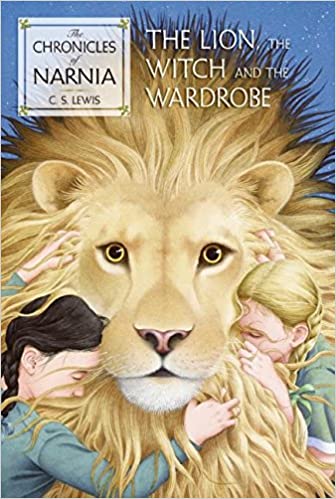
The Lion, the Witch, and the Wardrobe, by C.S. Lewis. Four adventurous siblings—Peter, Susan, Edmund, and Lucy Pevensie—step through a wardrobe door and into the land of Narnia, a land frozen in eternal winter and enslaved by the power of the White Witch. But when almost all hope is lost, the return of the Great Lion, Aslan, signals a great change . . . and a great sacrifice.
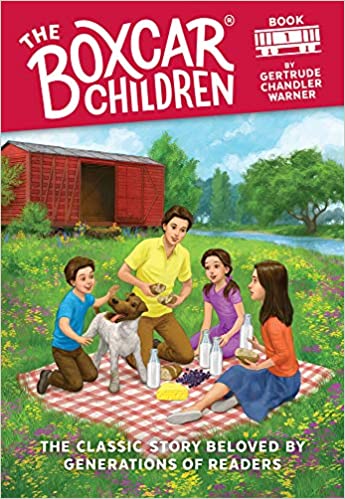

The Boxcar Children, by Gertrude Chandler Warner. Henry, Jessie, Violet, and Benny are brothers and sisters. They’re orphans too, and the only way they can stay together is to make it on their own. When the children find an abandoned boxcar in the woods, they decide to call it home―and become the Boxcar Children!
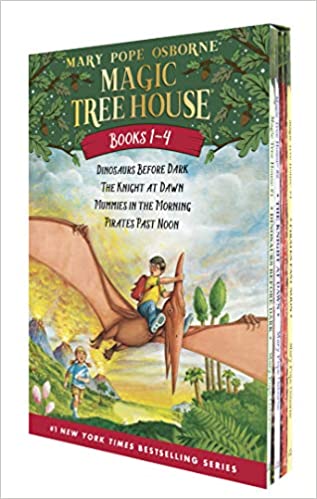
The Magic Treehouse Series, by Mary Pope Osborne. Meet Jack and Annie! Jack and his younger sister, Annie, are just regular kids. But when they discover a tree house in the woods, something magical happens. Jack and Annie are whisked back in time to the Age of Dinosaurs, a medieval castle, ancient pyramids, and treasure-seeking pirates.

The Vanderbeekers of 141st Street, by Karina Yan Glaser. The Vanderbeekers have always lived in the brownstone on 141st Street. It’s practically another member of the family. So when their reclusive, curmudgeonly landlord decides not to renew their lease, the five siblings have eleven days to do whatever it takes to stay in their beloved home and convince the dreaded Beiderman just how wonderful they are. And all is fair in love and war when it comes to keeping their home.
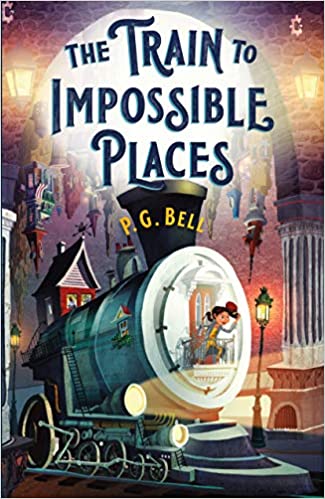
The Train to Impossible Places: A Cursed Delivery, by P.G. Bell. A train that travels through impossible places. A boy trapped in a snow globe. And a girl who’s about to go on the adventure of a lifetime. The Impossible Postal Express is no ordinary train. It’s a troll-operated delivery service that runs everywhere from ocean-bottom shipwrecks to Trollville to space.
Poetry Books for Grade Two
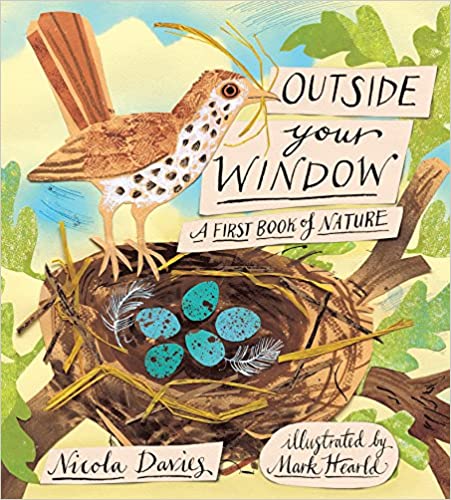
Outside Your Window: A First Book of Nature, by Nicola Davies. The buzz of bees in summertime. The tracks of a bird in the winter snow. This beautiful book captures all the sights and sounds of a child’s interactions with nature, from planting acorns or biting into crisp apples to studying tide pools or lying back and watching the birds overhead.

A Stick is an Excellent Thing, by Marilyn Singer. Lyrical poems and bold illustrations capture the energy of a group of children in one neighborhood as they amuse themselves over the course of a summer day.
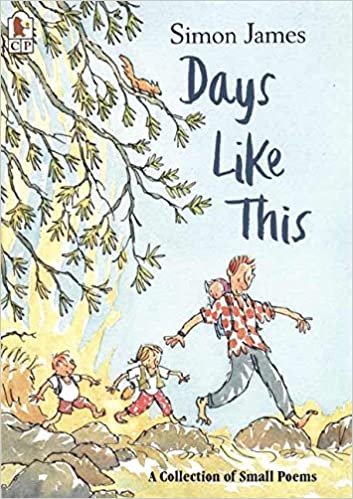
Days Like This, by Simon James. Days Like This is a book of celebration — whether it’s the novelty of sleeping outdoors, the delight of picnicking on the beach, or the sheer joy of bouncing on the bed in the afternoon.
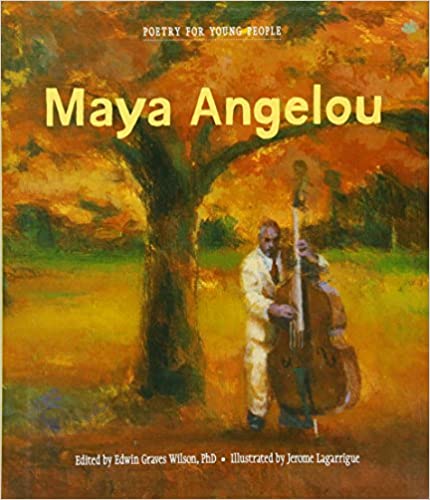
Poetry for Young People: Maya Angelou, by Edwin Graves Wilson. Twenty-five of Maya Angelou’s finest poems capture a range of emotions and experiences, from the playful “Harlem Hopscotch” to the prideful “Me and My Work” to the soul-stirring “Still I Rise.”
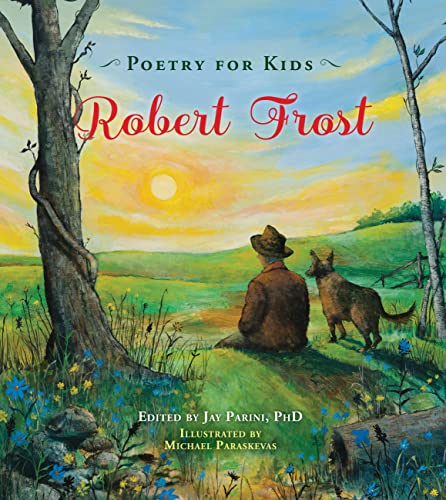
Poetry for Kids: Robert Frost, by Robert Frost. Whether capturing a cold New England winter’s evening or the beauty of an old, abandoned house, Robert Frost’s poems are sure to be remembered by young readers.
Narrative Books for Grade Two

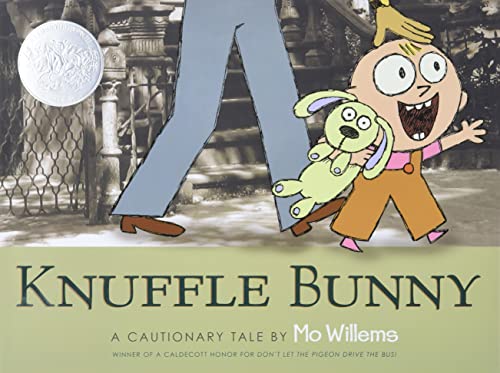
Knuffle Bunny, by Mo Williams. Trixie, Daddy, and Knuffle Bunny take a trip to the neighborhood Laundromat. But the exciting adventure takes a dramatic turn when Trixie realizes somebunny was left behind? Using a combination of muted black-and-white photographs and expressive illustrations, this stunning book tells a brilliantly true-to-life tale about what happens when Daddy’s in charge and things go terribly, hilariously wrong.
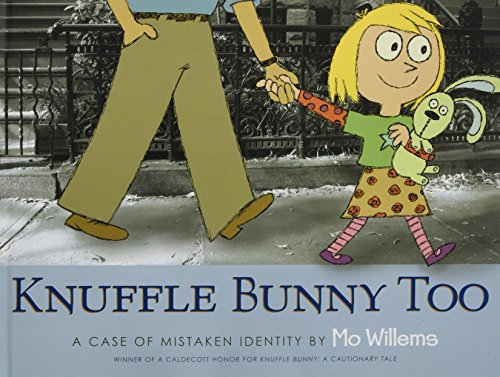
Knuffle Bunny Too, by Mo Williams. Trixie can’t wait to bring her one-of-a-kind Knuffle Bunny to school and show him off to everyone. But when she gets there, she sees something awful: Sonja has the same bunny. Suddenly, Knuffle Bunny doesn’t seem so one-of-a-kind anymore. Chaos ensues until the bunnies are taken away by Ms. Greengrove. After school, Trixie finally gets her beloved bunny back. But in the middle of the night, Trixie realizes something. She has the wrong bunny! Daddy comes to the rescue again as a midnight swap is arranged with the other bunny, the other little girl, and the other daddy. Needless to say, the daddies are not very happy. By the end of the story, Trixie has her beloved bunny back, but she has also gained something new: her very first best friend.
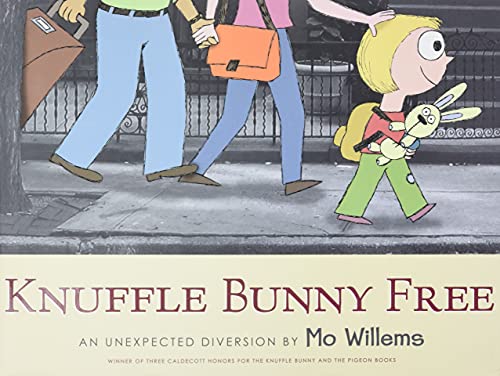
Knuffle Bunny Free, by Mo Williams. Trixie and her family are off on a fantastic trip to visit her grandparents—all the way to Holland! But does Knuffle Bunny have different travel plans? An emotional tour de force, Knuffle Bunny Free concludes one of the most beloved picture-book series in recent memory, with pitch-perfect text and art, photos from around the world, and a stunning foldout spread, culminating in a hilarious and moving surprise that no child or parent will be able to resist.
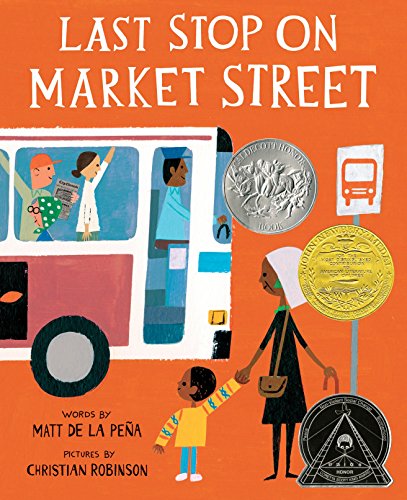
Last Stop on Market Street, by Matt de la Pena. Every Sunday after church, CJ and his grandma ride the bus across town. But today, CJ wonders why they don’t own a car like his friend Colby. Why doesn’t he have an iPod like the boys on the bus? How come they always have to get off in the dirty part of town? Each question is met with an encouraging answer from grandma, who helps him see the beauty—and fun—in their routine and the world around them.
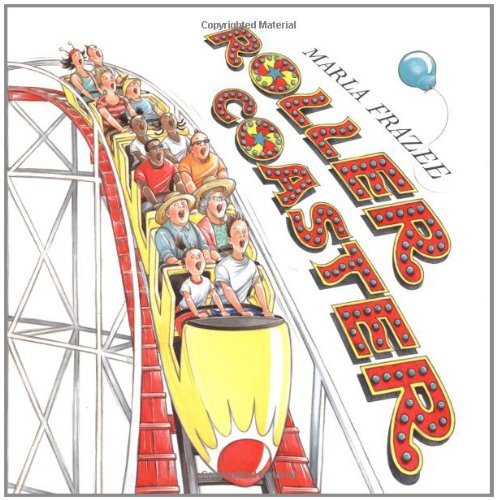
Roller Coaster, by Marla Frazee. A wonderful example of narrating emotions! This exhilarating amusement park visit begins with a line of prospective riders, eagerly awaiting their turn . . . with at least one person who has never done this before. Zooming, swerving, dipping, and diving, this delightful story, featuring a breathtaking ride and a hilarious range of reactions, will help readers lose their roller-coaster anxiety. Marla Frazee’s witty narrative and sly building of tension deliver an experience unlike any other and will have readers begging to take another ride.
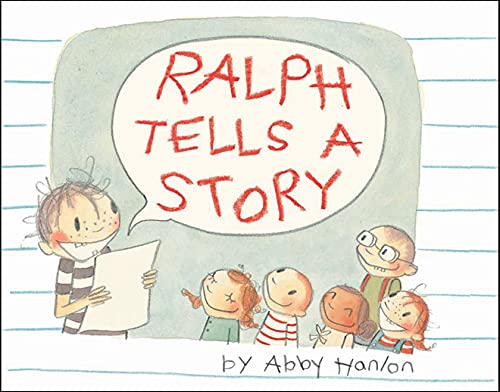
Ralph tells a story by Abby Hanlon. Nothing ever happens to Ralph. So every day when it’s time to write stories, Ralph thinks really hard. He stares at his paper. He stares at the ceiling. But he has no stories! With the help of his classmates, Ralph realizes that a great story can be about something very little…and that maybe he really does have some stories to tell. Debut author/illustrator Abby Hanlon’s endearing text and charming watercolor and colored pencil illustrations prove that writing can be fun!
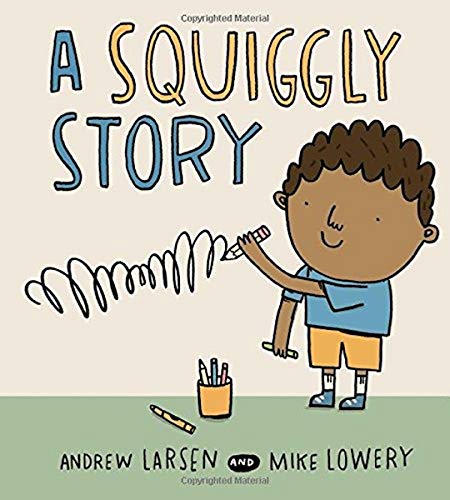
A Squiggly Story, by Andrew Larson. A young boy wants to write a story, just like his big sister. But there’s a problem, he tells her. Though he knows his letters, he doesn’t know many words. “Every story starts with a single word, and every word starts with a single letter,” his sister explains patiently. “Why don’t you start there, with a letter?” So the boy tries. He writes a letter. An easy letter. The letter I. And from that one skinny letter, the story grows, and the little boy discovers that all of us, including him, have what we need to write our own perfect story.
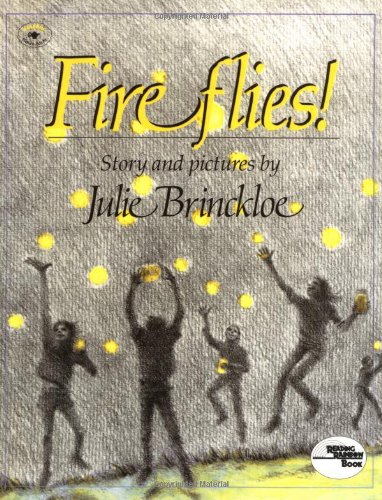
Fireflies, by Julie Brinckloe. A young boy is proud of having caught a jar full of fireflies, which seems to him like owning a piece of moonlight, but as the light begins to dim, he realizes he must set the insects free, or they will die.
Books that Help Children Learn to Make Inferences
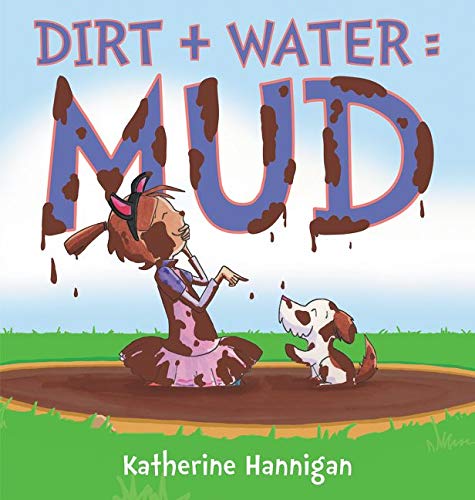
Dirt + Water = Mud, by Katherine Hannigan. A young girl and her dog spend the day playing in her backyard, where, with her imagination—and a few helpful props—anything can happen. What do you get when you combine dirt and water? Mud! What do you get when you take a sheet, a flowerpot, and a stick and make a costume? You transform yourself into Her Majesty, the queen! A cape and a strong breeze turn the treehouse into an airplane. A sheet, a stick, and a pair of well-placed cat’s ears turn the girl into a pirate!
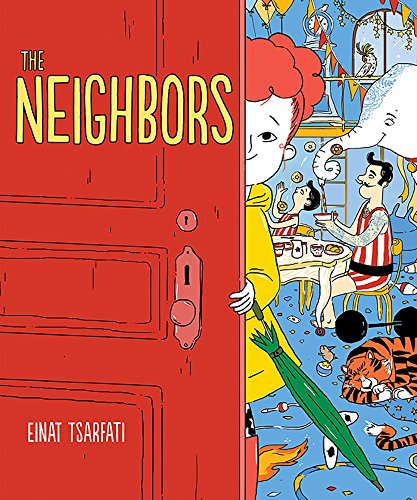
The Neighbors, by Einat Tsarfati. As a young girl climbs the seven stories to her own (very boring!) apartment, she imagines what’s behind each of the doors she passes. Does the door with all the locks belong to a family of thieves? Might the doorway with muddy footprints conceal a pet tiger? Each spread reveals—in lush detail—the wilds of the girl’s imagination.
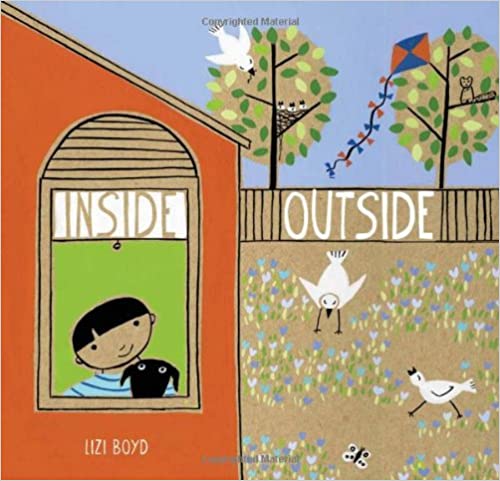
Inside Outside, by Lizi Boyd. This is a wordless book, allowing children to infer from the pictures. What is happening outside today? Peek through the window to find out. What is happening inside? Peek again! Whimsical die-cuts throughout lead to charming and surprising reveals with every turn of the page.
Playing with Words
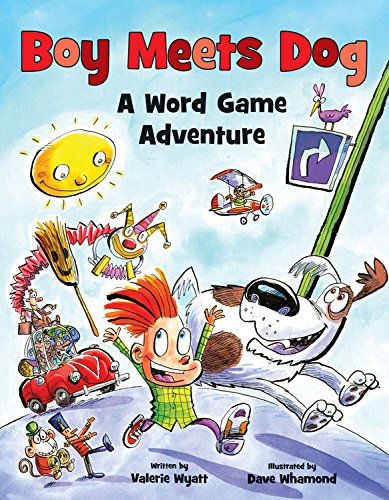
Boy Meets Dog: A Word Game Adventure, by Valerie Wyatt. Strange things happen if you change just one letter in a word. For example, a toy could become a boy (easy, just change the t to a b). Or, a house might become a mouse and then a moose (change the h to m and then the u to o). These word ladder games are fun to read, and help with spelling too!
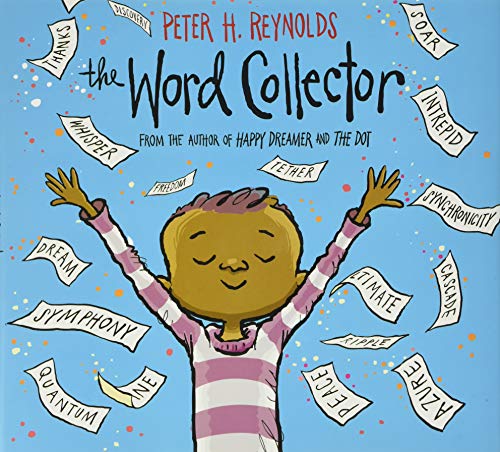
The Word Collector, Peter H. Reynolds. Some people collect stamps. Others collect coins. Or maybe they collect art. And Jerome? Jerome collected words…
Phonemic Awareness Books for Kids
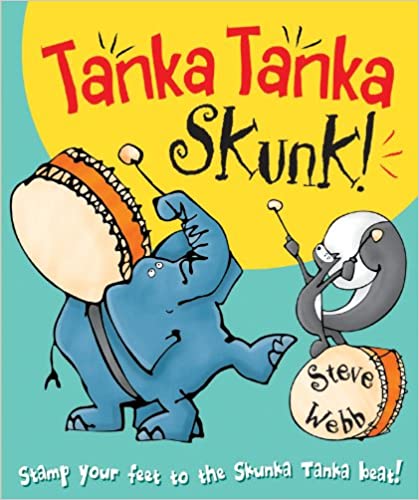
Tanka Tanka Skunk, by Steve Webb. This fun book will have you tapping your foot and counting those syllables!
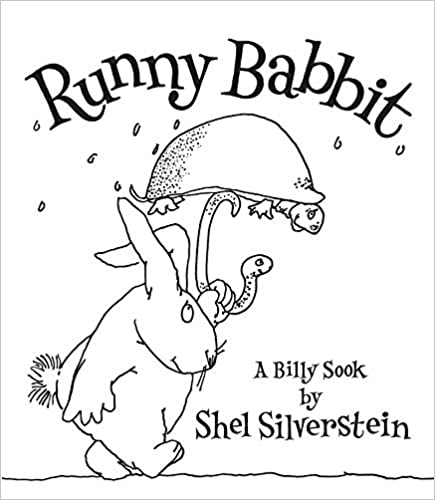
Runny Babbit, by Shel Silverstein. Welcome to the world of Runny Babbit and his friends, Toe Jurtle, Skertie Gunk, Rirty Dat, Dungry Hog, Snerry Jake, and many others who speak a topsy-turvy language all their own.
So if you say, “Let’s bead a rook
That’s billy as can se,”
You’re talkin’ Runny Babbit talk,
Just like mim and he.
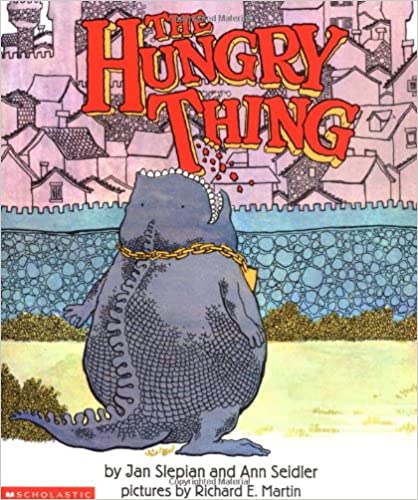
The Hungry Thing, by Jan Slepian. What will the people do when a Hungry Thing comes to town? This hilarious book will get kids excited about reading and words as they fall in love with the Hungry Thing’s crazy antics!
And there you have it—the great big list of Grade Two books for kids! I’ve said it before and I’ll say it again (and if you know me, you know I’ll keep saying it): books are the answer. They help you start important conversations, make teaching new ideas easier, and turn rainy afternoons into something special. When your child is cranky, when plans fall apart, or when you simply need a gentle, meaningful way to spend the day, a good book is always the right place to begin.
There are many a day (not sure why I am writing as though I am elderly) when my children and I snuggle in, read, and call it “school” for the day. Never underestimate the power of books, my friend.
And before you go, grab this printable list of all the books you saw above to bring with you to the library!
Of course, a good, solid curriculum has its place as well (ahem), so be sure to check out our complete Grade Two Literacy Curriculum! One page a day, plus a few good books, and grade two is looking fabulous!

Thank you for reading (and reading to your children), my friend!
xo Sarah

Leave a Reply